In a world that rarely slows down, music often becomes a place to pause, even if just for a moment. With his latest EP “Lightfall”, Radhika Das seems to understand that instinct deeply. Released on April 17, 2026, the five-track project is more than just music. It is something you ease into and feels both familiar and new. It gently blends the spiritual essence of ancient mantras with contemporary sound.

Integration Of Ancient Mantras Into Modern Day Living By Radhika Das
In essence, “Lightfall” emanates from a traditional standpoint. Mantras and kirtans have always been related to temples, as well as other meditative zones where there is much quietness and solemnity. However, Radhika Das presents mantras in a way that makes it possible for them to live, breathe, and be performed in a modern context. This is how an EP comes out to seem not so much like an act but rather like a gift.
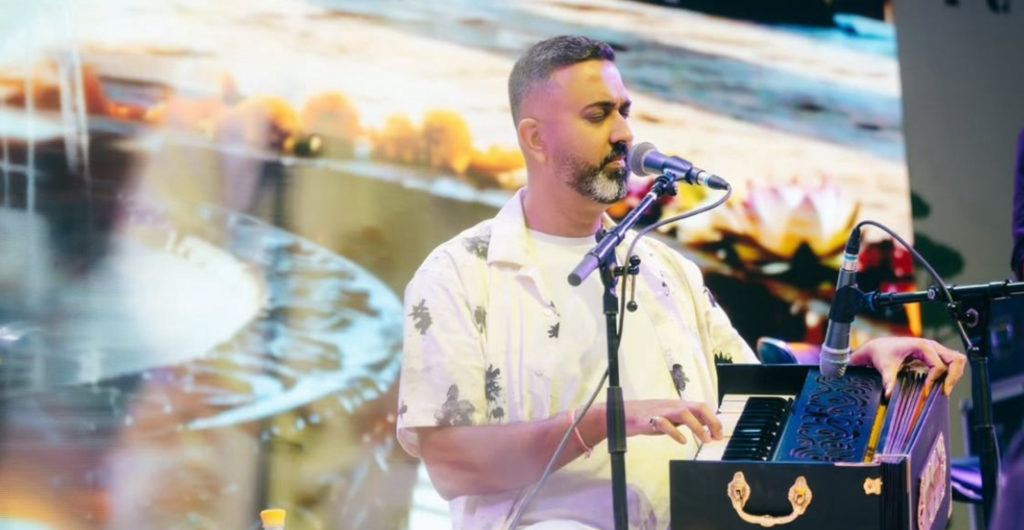
Radhika Creates Music That Is The Perfect Mixture Of Ancient And Contemporary
With Grammy nominee Ryan Hadlock as producer, the EP feels sonically clear. There is a strong sense of balance throughout. Quiet moments sit alongside layered, energetic tracks. Songs like Sita Rama Jaya and Hara Mahadeva, released earlier, hint at what the EP unfolds into.
Further into the EP, tracks like Radha Ramana Haribol, Bhajahu Re Mana, and Radhe Radhe deepen the experience. Each song has its own feel. Yet, they come together as one story. There is no rush to reach the end. The music allows you to stay where you are and enjoy it fully.

“Lightfall” As an Offering, Not Only an EP
When discussing her EP, Radhika Das said that “Lightfall” was an offering, allowing people to connect with the eternal mantras in their daily routine. Such intentions can be found throughout the entire album. It doesn’t require the listener to find perfect silence and meditation.
With the progression of the EP, tracks such as Radha Ramana Haribol, Bhajahu Re Mana, and Radhe Radhe contribute towards making the experience more profound. Each song has its own distinct aura, and together they create a unique and coherent process of listening that does not urge one to hurry through to the finish line. On the contrary, there is an invitation to stay with each song and feel the music as it gently sinks in.