MUMBAI / LONDON / MILAN — 22-year-old designer and Co-founder Ria Mehta is redefining what it means to build a global Indian fashion identity. Presenting her own brand, Nishorama, at London and Milan Fashion Week 2026, Mehta transformed the label’s everyday bestsellers into powerful cultural statements on international runways.
Instead of diluting traditional Indian clothing for Western audiences, Nishorama’s global presentation highlights heritage craft, artisan recognition, and community participation.
Look Breakdown & Global Vision:
- London Fashion Week (The Artisan Honor):
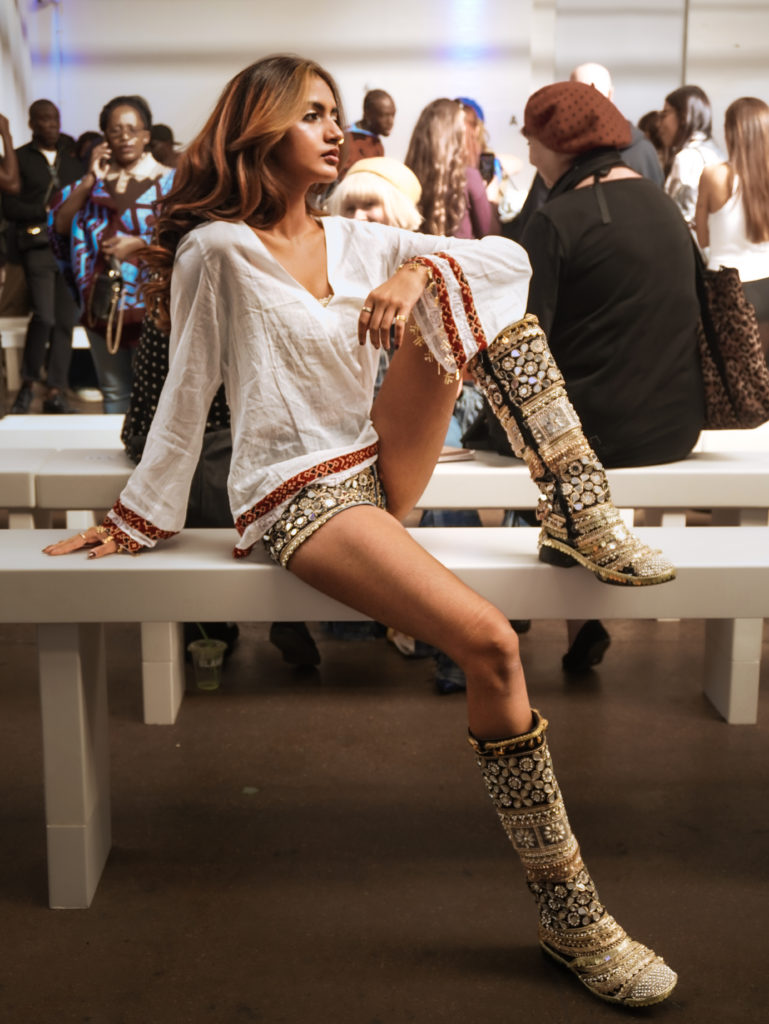
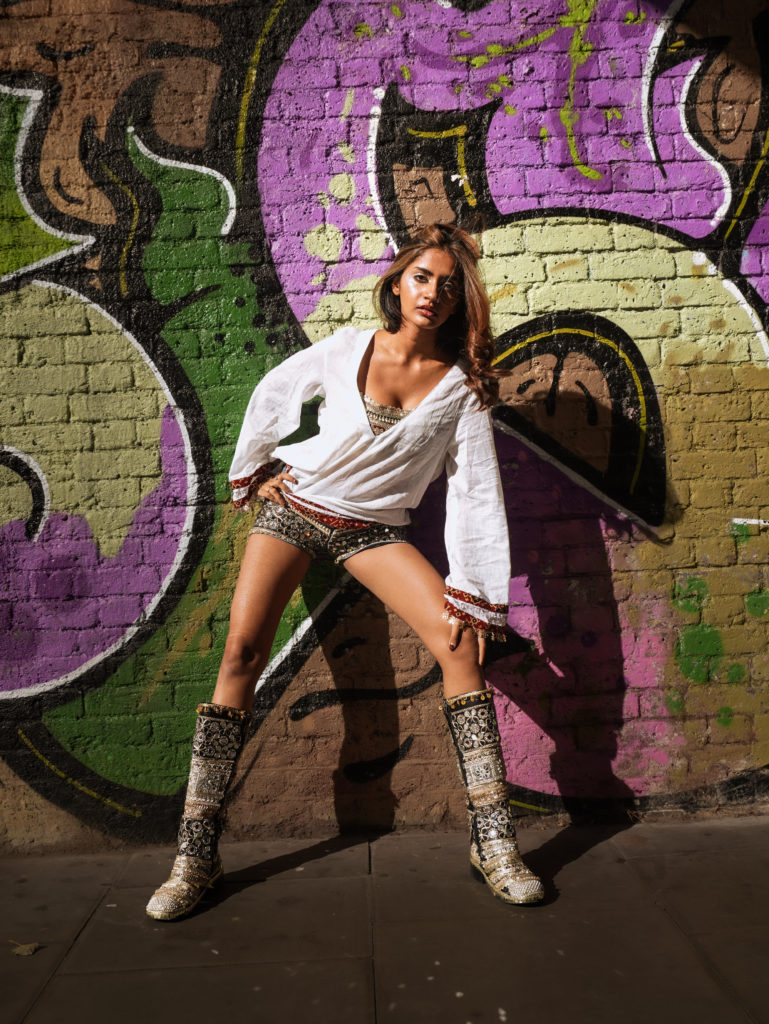
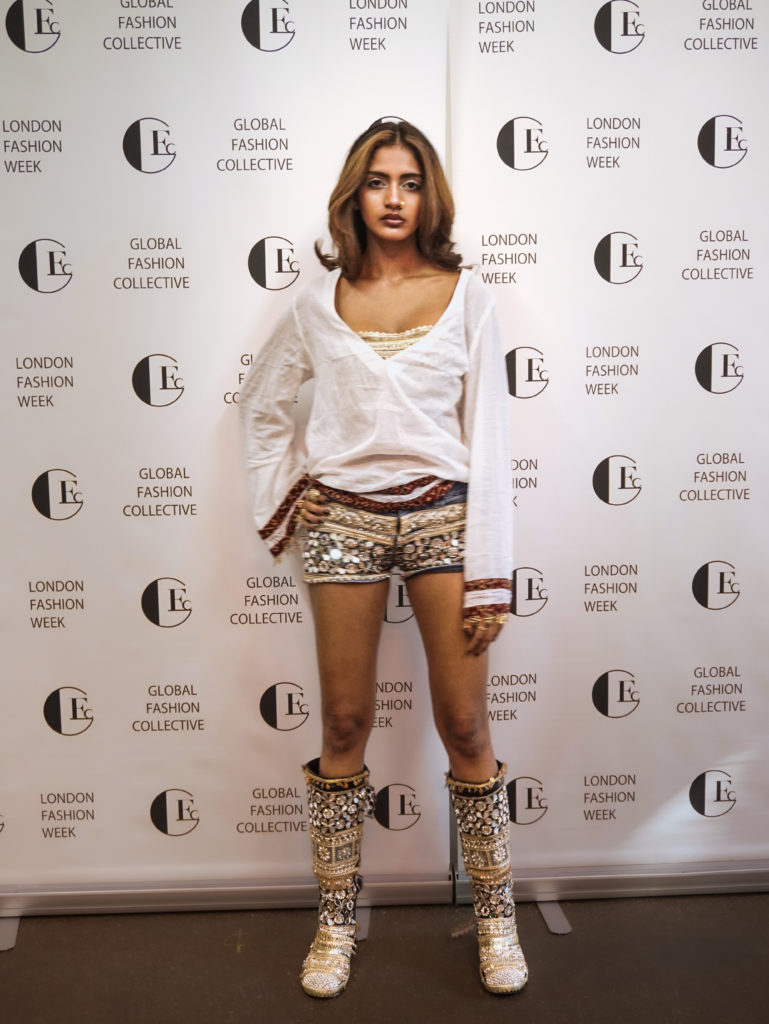
- Look: The Gunj Mul Cover-Up (originally designed around the concept of modesty and everyday freedom) styled over a lace-covered bralette, denim shorts, and boots.
- The Twist: Hand-embroidered in Hindi across the garment were the actual names of the artisans and karigars who printed, dyed, cut, and stitched the piece.
- The Concept: A direct challenge to the anonymity of fast fashion, bringing the craftspeople to Fashion Week alongside the designer.
- Look: The Gunj Mul Cover-Up (originally designed around the concept of modesty and everyday freedom) styled over a lace-covered bralette, denim shorts, and boots.
- Milan Fashion Week (The Customer Collective):
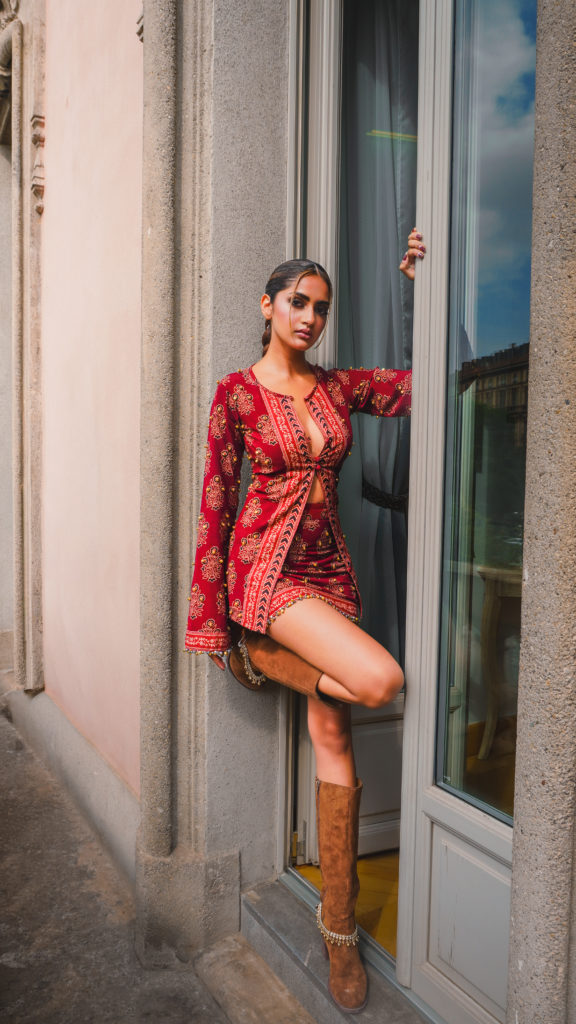
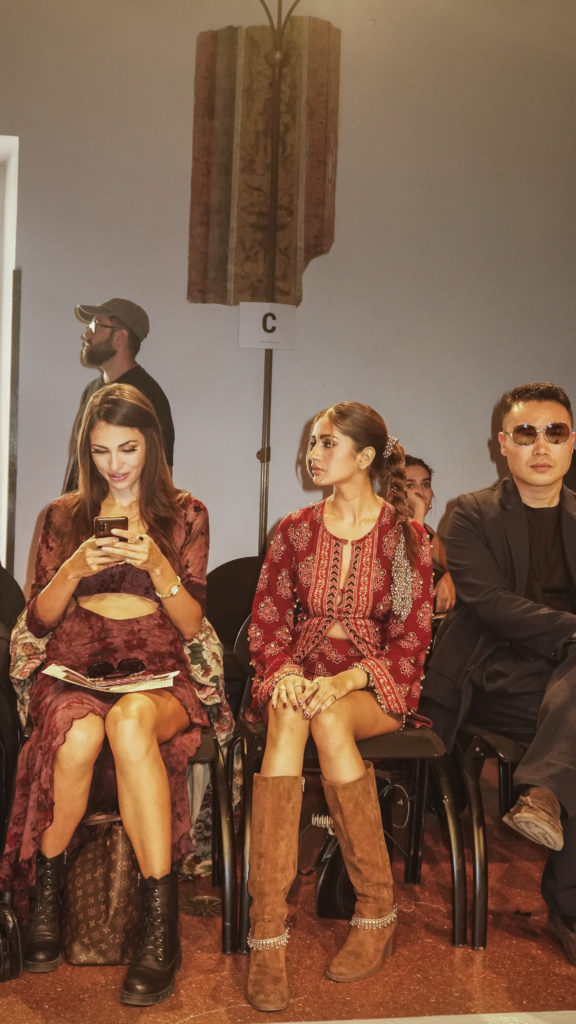
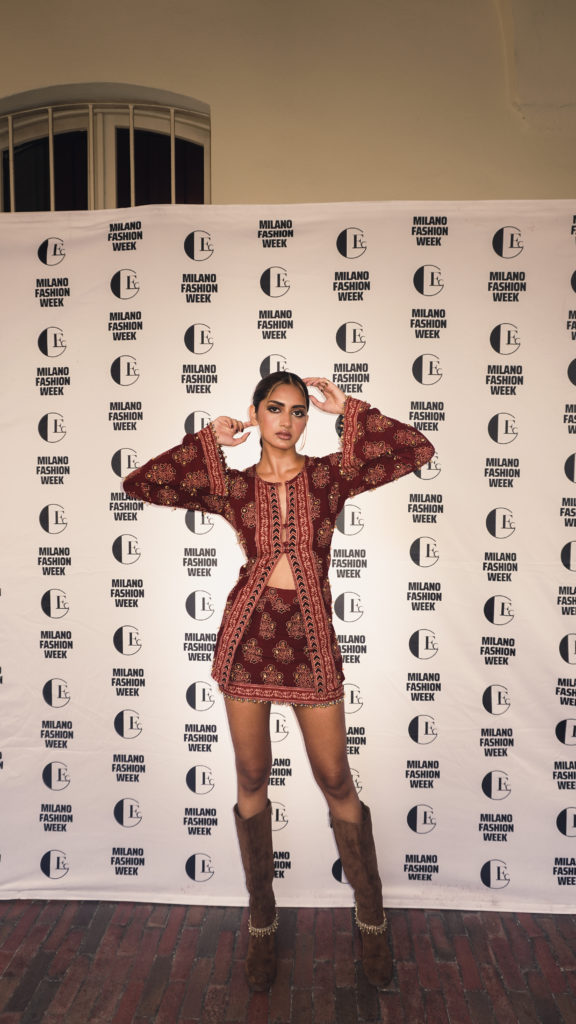
- Look: The best-selling Irana Set, reimagined with payals on both ankles and a signature ghungroo paranda.
- The Twist: Each ghungroo represents a Nishorama customer.
- The Concept: Bringing the brand’s community along on the global journey. Going forward, Nishorama will feature a signature emblem with a single ghungroo across its kurti lines.
- Look: The best-selling Irana Set, reimagined with payals on both ankles and a signature ghungroo paranda.
“Global relevance should never require us to dilute our identity. Our identity is what makes us relevant,” says Ria Mehta, Co-founder & Creative Director. “We don’t want to inherit tradition exactly as it was handed to us. We want to participate in its evolution.”
FAQs
What is Nishorama showcasing at London and Milan Fashion Week 2026 and how does it redefine Indian identity on a global stage?
Nishorama presents its heritage-crafted collections as powerful cultural statements rather than diluting traditional Indian clothing for Western audiences. The brand foregrounds heritage craft, recognizes artisans, and invites community participation, asserting that global relevance comes from preserving identity while evolving it.
How does Nishorama foreground artisan work and community involvement in its global presentation?
The presentations spotlight the actual craftspeople behind the pieces, with hand-embroidered details and artisan names showcased on the garments, and a concept that brings karigars and customers onto the Fashion Week stage through participatory design and recognition.
What was the Look for London Fashion Week and what is the significance of the twist involving the artisans’ names?
The Look was the Gunj Mul Cover-Up worn over a lace-covered bralette, denim shorts, and boots. The twist involved hand-embroidery in Hindi with the names of the artisans who printed, dyed, cut, and stitched the piece, directly acknowledging the makers who contributed to the garment.
What was the Look for Milan Fashion Week and how does it embody Nishorama’s community focus?
The Look was the Irana Set reimagined with payals on both ankles and a signature ghungroo paranda, where each ghungroo represents a Nishorama customer, thereby bringing the brand’s community along on the global journey and signaling a future emblem across kurti lines.
What did Ria Mehta emphasize about global relevance and identity in fashion?
Ria Mehta stated that global relevance should not require diluting identity, and that identity is what makes fashion globally relevant. She advocates participating in tradition’s evolution rather than inheriting it unchanged.


